

Is Imitation Silk Fabric Worth Using — and How Does It Actually Compare to the Real Thing?
Imitation silk fabric has become one of the most commercially significant textile categories in the global market. It promises the visual appeal of genuine silk — the sheen, the drape, the lightweight feel — at a price point accessible to mass-market apparel, home furnishings, and fashion accessories. But the category is far from uniform. The term covers multiple fiber types and weave constructions, and the performance differences between them are significant. Understanding what imitation silk fabric actually is, which versions perform best in specific applications, and how to evaluate quality before purchasing makes a meaningful difference in the finished outcome — whether you are a product developer, a garment manufacturer, or a consumer choosing fabric for a sewing project.
What Imitation Silk Fabric Is Made From
Imitation silk is not a single material but a category of fabrics that replicate the surface appearance and drape characteristics of genuine silk using alternative fibers. The most widely used fiber types in imitation silk production are polyester, viscose (rayon), acetate, and nylon. Each produces a different result in terms of texture, sheen, durability, and care requirements, and each has specific strengths that make it better suited to certain end uses than others.
The weave structure used to construct imitation silk fabrics is as important as the fiber choice. Satin weave construction — where warp threads float over multiple weft threads before interlacing — is responsible for the characteristic smooth, lustrous face of most imitation silk fabrics. This construction maximizes light reflection from the fabric surface and minimizes surface texture, creating the visual impression of shine that the category is known for. Charmeuse, habotai, and duchess satin are the most common weave structures used, with each producing a distinct weight, drape, and surface quality even from the same fiber type.
The Main Types of Imitation Silk and How They Differ
Polyester Imitation Silk
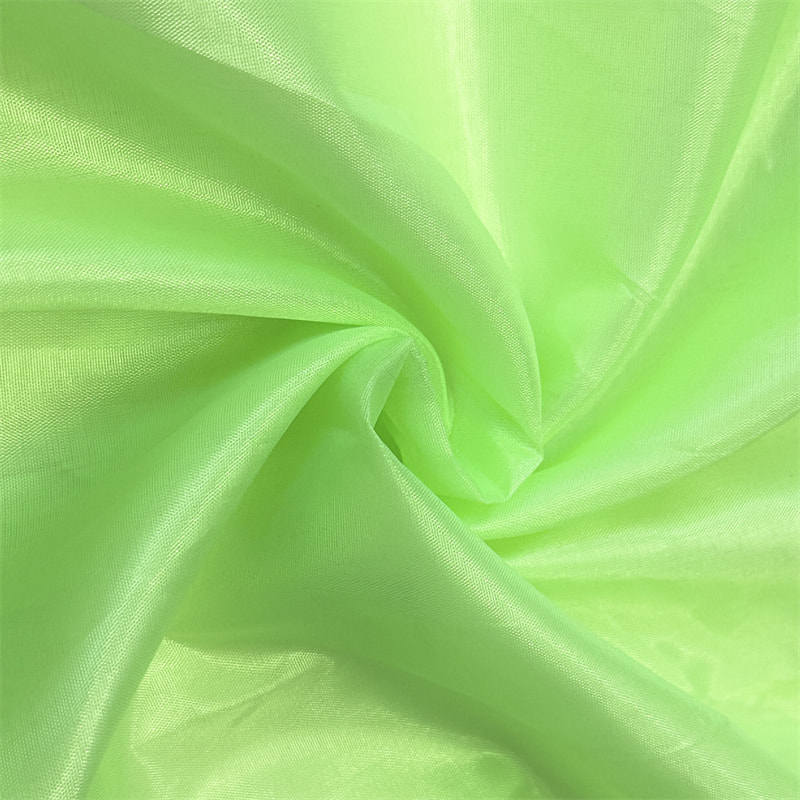
Polyester is the dominant fiber in imitation silk production globally, accounting for the majority of volume sold under this category. Advances in polyester fiber technology — particularly microfiber polyester with individual filament diameters below one denier — have produced fabrics that closely approximate the hand feel of genuine silk in a way that earlier polyester versions could not. Fine-count microfiber polyester satin has a smooth, fluid surface, a lightweight drape, and a sheen that reads as luxurious at a distance and in photography. Its practical advantages over natural silk are substantial: it resists moisture damage, does not require dry cleaning, holds color well under UV exposure, and is significantly less expensive per meter. The limitations are that it does not breathe as well as natural fibers, it generates static charge in dry conditions, and close inspection by an experienced hand can distinguish its surface from genuine silk.
Viscose and Rayon Imitation Silk
Viscose rayon is a semi-synthetic fiber derived from wood pulp cellulose that has been chemically processed into a spinnable solution. It has a natural softness and moisture-absorbing capacity that polyester cannot match, and its drape is often described as closer to genuine silk than polyester in terms of how it moves against the body. Viscose imitation silk fabrics feel cooler against skin than polyester equivalents because the fiber absorbs perspiration rather than allowing it to pool on the surface. The significant practical limitation of viscose is its poor wet strength — viscose fabrics weaken substantially when wet, making them vulnerable to damage during washing if agitation is excessive. Viscose also wrinkles readily and can shrink in the first wash if not pre-treated. Modal and lyocell (Tencel) are refined variants of the viscose family that address some of these weaknesses with improved wet strength and dimensional stability.
Acetate Imitation Silk
Acetate is another cellulose-derived semi-synthetic fiber that was historically one of the most common imitation silk materials in linings, lingerie, and formal garment applications. It produces a fabric with a distinctive dry handle, a crisp drape, and a bright surface sheen that differs in character from polyester — the luster of acetate reads more matte than the high-gloss sheen of polyester satin. Acetate is sensitive to acetone-based solvents, meaning standard nail polish remover or certain adhesives will dissolve it on contact — a significant practical limitation for garment construction. It also performs poorly under high heat ironing, requiring low-temperature pressing through a pressing cloth. Modern acetate use has declined relative to polyester in volume terms, but it remains the preferred choice in certain formal garment linings and theatrical costume applications where its specific drape and sheen are valued.
Nylon Imitation Silk
Nylon imitation silk fabrics are less common than polyester or viscose versions but are used in applications where abrasion resistance and tensile strength are required alongside the silk-like surface appearance. Nylon has a natural sheen and fine filament capability that makes it suitable for lightweight lingerie fabrics, hosiery, and technical garment applications. Its main limitation in imitation silk applications is a tendency to pill under abrasion and a sensitivity to UV degradation that causes yellowing over time in fabrics exposed to natural light without adequate UV stabilization.
Comparing Imitation Silk Fiber Types Side by Side
| Fiber Type | Sheen Quality | Breathability | Care Ease | Best Application |
| Polyester microfiber | High gloss | Low | Very easy | Eveningwear, bedding, drapes |
| Viscose / Rayon | Soft luster | Good | Moderate (delicate wash) | Blouses, dresses, scarves |
| Acetate | Dry, bright sheen | Moderate | Dry clean preferred | Linings, formal garments |
| Nylon | Moderate gloss | Low | Easy | Lingerie, hosiery, technical wear |
Common Applications for Imitation Silk Fabric
Imitation silk fabric is used across a remarkably wide range of product categories, from mass-market apparel to high-end interior design. Its cost advantage over genuine silk, combined with the performance improvements achieved through modern fiber technology, makes it the practical default choice in applications where a silk-like appearance is desired but the cost, care demands, or durability limitations of genuine silk make it impractical.
In apparel, polyester and viscose imitation silk are used extensively for eveningwear, blouses, slip dresses, kimono-style jackets, and fashion scarves. The fluid drape of satin-weave polyester makes it well suited to bias-cut garments and styles that rely on movement for their visual effect. In home textiles, polyester imitation silk is the standard material for decorative cushion covers, curtain panels, bed runners, and duvet covers sold in the mid-market where visual luxury is the primary purchase driver. Polyester imitation silk bedding in particular has grown significantly in market share as microfiber technology has improved the hand feel to a point where many consumers find it comparable to genuine silk against the skin.
How to Evaluate Imitation Silk Fabric Quality Before Buying
Quality in imitation silk fabric varies considerably within each fiber type, and price is not always a reliable guide. Several practical tests and specification checks allow a more objective evaluation.
- Yarn count and fabric weight: Higher yarn counts — more threads per centimeter in both warp and weft — produce a finer, smoother surface that more closely resembles genuine silk. Fabric weight stated in grams per square meter (GSM) gives a concrete reference point: lightweight imitation silk for blouses and scarves typically runs between 60 and 100 GSM, while heavier satin for home furnishings falls between 120 and 180 GSM.
- Filament fineness: Microfiber polyester with filament counts below 0.5 denier produces a noticeably softer, more fluid fabric than standard polyester with coarser filaments. Asking suppliers for fiber denier specifications distinguishes premium microfiber constructions from standard polyester alternatives at the same price point.
- Color fastness: Imitation silk fabrics that are poorly dyed will transfer color to skin, other fabrics, or upholstery when wet. Requesting ISO 105 color fastness test results — particularly for rubbing and washing — before approving fabric for garment or furnishing production prevents costly quality failures.
- Snag and pull resistance: Satin weave fabrics have long surface floats that are inherently susceptible to snagging on rough surfaces. Running a fingernail or rough metal surface lightly across the fabric face in a low-visibility area gives a quick indication of snag resistance before committing to a larger order.
- Drape and recovery: Holding a sample length of fabric and allowing it to fall freely reveals its drape character. Quality imitation silk falls in smooth, continuous folds without stiffness or creasing at the point of hold. Crushing a section briefly in the hand and releasing it shows recovery — good-quality polyester imitation silk recovers well; viscose and acetate will show more persistent creasing.
Caring for Imitation Silk Fabric to Maximize Longevity
The care requirements for imitation silk depend primarily on the fiber content, and correct care significantly extends the working life of finished goods. Polyester imitation silk is the most forgiving — it can generally be machine washed on a cool, delicate cycle, tumble dried on low heat, and ironed at a low temperature setting with minimal risk of damage. Avoiding high heat is the key rule for all imitation silk fabrics regardless of fiber type, as both polyester and acetate are vulnerable to heat distortion that permanently alters the surface structure and sheen.
Viscose imitation silk should be hand washed or machine washed on a wool/delicate program in cool water to minimize agitation and wet-strength stress. Laying flat or hanging to dry rather than tumble drying prevents the additional mechanical stress of a dryer drum. Acetate requires the most cautious approach — dry cleaning is the safest method, and any spot treatment must avoid acetone-containing products entirely. For all imitation silk fabrics, storing finished garments and home textiles away from direct sunlight prevents the gradual yellowing and surface dulling that prolonged UV exposure causes, particularly in nylon and standard-grade polyester versions without UV stabilization.